Friday, February 5, 2021

2021 Super Bowl Preview

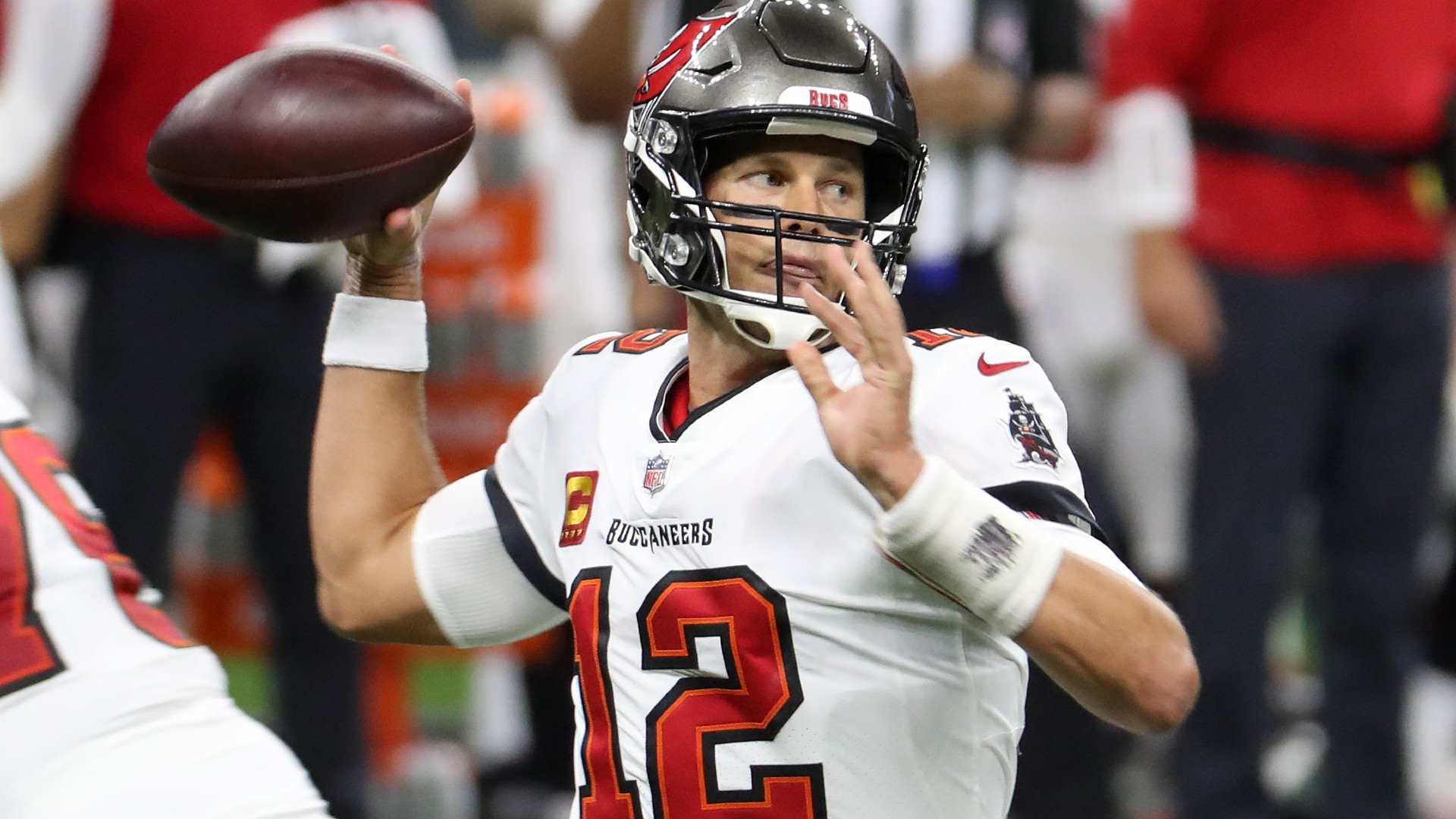
Image result for tom brady buccaneers

Well, we actually made it. The strangest season in NFL history is mostly behind us, with 268 games in the books and 30 teams now stuck at home. The Kansas City Chiefs are back in the Super Bowl after sleepwalking their way over most of the AFC, while the addition of Tom Brady boosted Tampa Bay to the top of the NFC.

This is the most fascinating Super Bowl matchup we’ve had in several years. Two Hall of Fame quarterbacks, two stacked units of skills players, two aggressive head coaches with just enough puzzling decisions behind them to leave us on the edge of our seats. There are a lot of angles to look at this matchup through, and below I’ve gone into a few of my favorites, before bringing it together with my prediction at the end. 

2007, the Sequel
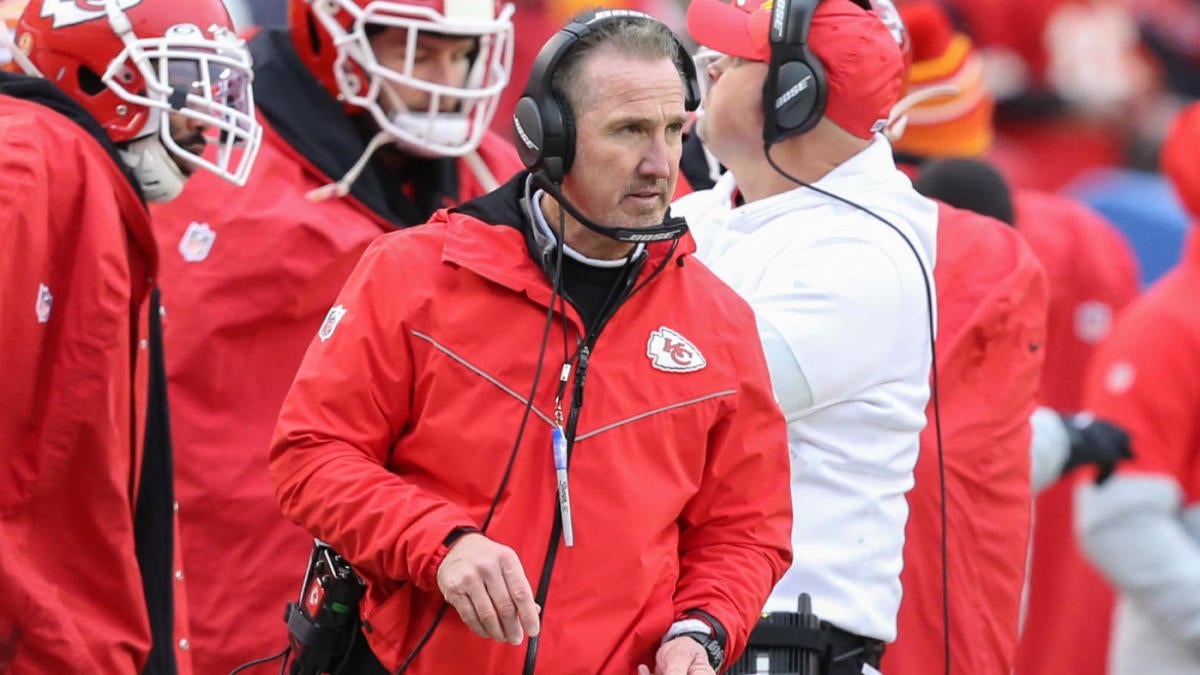
Image result for steve spagnuoloI’m not sure there is any single game in recent history that has had more of a wide-reaching impact than the Super Bowl that concluded the 2007 season. In the best year of Tom Brady’s career, the Patriots put together the most explosive offense in NFL history on their way to an undefeated regular season. They looked unstoppable, until they crashed into Eli Manning and an underdog Giants team.

Manning gets most of the love, but what really won the game for the Giants was their defense. After averaging 37 points per game during the regular season, the Patriots were held to just 14 in the Super Bowl. New England’s success that year created a blueprint for offenses in the years since, bringing spread concepts from college football to the NFL. And New York’s defensive strategy became the primary tool for attacking this offense. They loaded up with pass rushers, attacked the interior with quicker edge defenders, and prioritized making the quarterback uncomfortable in the pocket over trying to stop the run.

Behind this scheme was Steve Spagnuolo, the Giants defensive coordinator. He parlayed this masterpiece into an ill-fated three years as the head coach of the Rams, and has mostly drifted around the NFL as a defensive assistant since. But prior to last year he was named the defensive coordinator of the Chiefs, and now—thirteen years after that monumental Super Bowl—he once again will have to face Brady with everything on the line.

Naturally with more than a decade elapsed and two different franchises involved, things are a bit different this time around. Tampa Bay’s offense still has many of the spread concepts that the 2007 Patriots introduced, as all modern NFL offenses do, but during their playoff run they have also leaned on a straight ahead—if not always effective—power running attack behind Leonard Fournette. Offenses are smarter now about attacking teams that shift pass rushers to the interior, while modern guards are more used to facing quick defensive ends.

Of course, Kansas City isn’t the 2007 Giants either. Spagnuolo was able to pull off this strategy because the Giants were absolutely loaded with quality pass rushers. Michael Strahan, Osi Umenyiora, Justin Tuck, and Mathias Kiwanuka gave them one of the deepest pass rushing units in recent memory, talent on the edge that this Kansas City team simply can’t match. Frank Clark is dangerous off the edge, but after him they don’t have much to bring in the form of pure edge rushers.

The other difference, of course, is Chris Jones. The shift towards prioritizing interior pressure also gave rise to the pass rushing defense tackle, and Jones is the best in the NFL among normal human beings (so excluding Aaron Donald). At 6-6 and 310 pounds he has the size to hold up on the interior in the running game, and he brings with it explosion and strength to chew opposing linemen up as a pass rusher. He demands double teams on every passing play, and his dominance will open things up for pressure off the edge.

Spagnuolo beat Brady in 2007 with a consistent four-man rush, but his schematic background is actually far more blitz-heavy, and I expect that he will try to make up for the lack of pass rush depth by bringing extra rushers. Tyrann Mathieu in particular is someone to watch, a wild card who plays just about every position on the defense and seems to make one or two huge plays each game. The Chiefs will find ways to get pressure on Brady, and it’s just a question of how much they have to commit to do so, and whether Brady can take advantage of the opportunities that may open up on the back end.

Containing the Chiefs
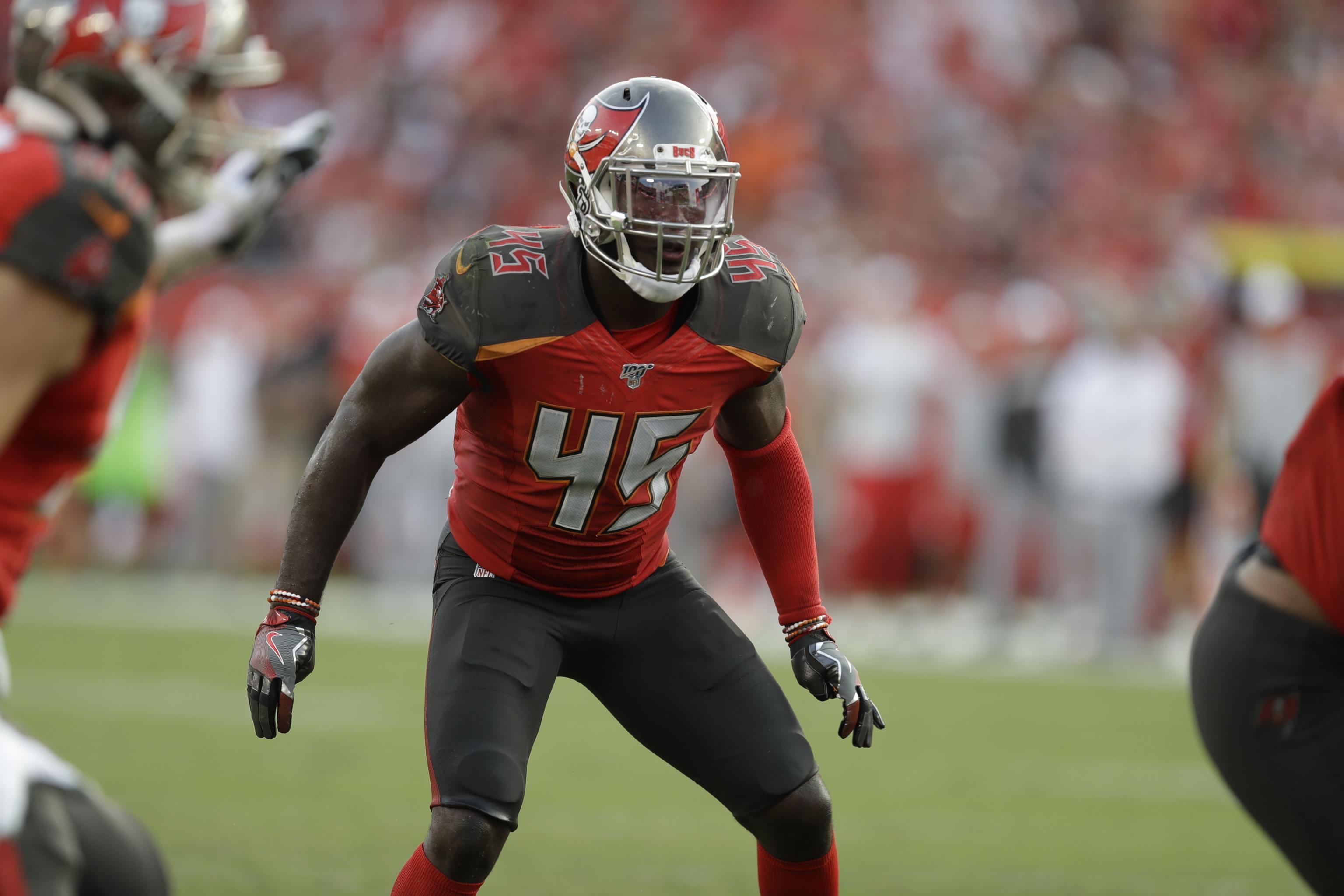
Image result for devin white

These two teams have already faced off once this year, and it’s a fascinating game to look back on. It was during the second half of the season when Kansas City seemed to take their foot off the gas some, though the first quarter of this matchup was a bit of an exception. They exploded out of the gate to an early 17-0 lead, as Tyreek Hill had over 200 yards in the first quarter alone. In the second half though, their offense seemed to hit a wall, as they ended three straight possessions with punts and let the Buccaneers get back to within three points before they were able to run the clock out.

It's difficult to say how much of Kansas City’s offensive struggles in the second half came because they eased up, and how much came from adjustments by the Buccaneers. Tampa Bay spent the first half playing their favored cover-1 scheme, and Hill absolutely torched their cornerbacks who were trapped without much safety help. Tampa Bay has a very good cornerback in Carlton Davis, but his strength is his physicality, and he isn’t built to handle the speed the Chiefs have. He needs safety help in order to have any chance against someone like Hill.

Tampa Bay shifted towards a cover-2 scheme in the second half against the Chiefs, and they made a similar change last week against Green Bay. This also allowed them to play their cornerbacks tighter to the line of scrimmage, which took away a lot of the quick opportunities they surrendered over the second half of the season.

There are two main problems with primarily running cover-2. First, it takes a safety out of the box and makes it easy for the offense to just shift to a running play. Second, it puts more coverage responsibilities on the linebackers. Defensive coordinator Todd Bowles has always loved to blitz, but running a blitz with two deep safeties is basically just asking offenses to kill you with screens and passes over the middle. Over the second half of the season they ran very little two-deep coverage, instead going heavy on blitzes to try to generate some pressure on the quarterback.

What changed last week against the Packers? Vita Vea. Tampa Bay’s massive nose tackle went down in week five with a fractured ankle, and most people assumed he was just done for the year. Somehow he managed to come back last week against Green Bay, and the difference was significant. His presence allowed them to move a safety out of the box without leaving them vulnerable to the run, and he poses enough of a pass rush threat to open things up for Tampa Bay’s edge rushers to get to the quarterback without needing to bring blitzes.

I expect Tampa Bay to follow a similar approach this week, and it will only be easier if safety Antoine Winfield can return after missing the game against Green Bay. The one lingering concern is still the coverage burden that is placed on their linebackers, especially facing Travis Kelce. Lavonte David remains an underappreciated star, and when he is matched up against Kelce they should be able to contain the middle of the field. But there will be times the responsibility falls on their other linebacker Devin White.

White is a playmaking force who flies all over the field, but like most young linebackers he is still a liability in pass coverage. Teams routinely target him in the passing game, and the Chiefs will do whatever they can to get Kelce or their running backs matched up in space against him. For most of the year the Buccaneers have tried to mitigate his coverage responsibilities by bringing him as a blitzer, but this is harder to do if they keep two safeties deep. They will very likely find themselves in the same quandary that every team trying to stop the Chiefs faces—whether to let Kelce carve them up over the middle, or to risk Hill destroying them over the top.

The Hunt for Mahomes

Image result for patrick mahomes buccaneers sack

One of the crucial deciding factors in Tampa Bay’s NFC Championship win over the Packers was their ability to get pressure on the quarterback. As I mentioned above, the return of Vea played a big role, but it also certainly helped that the Packers were playing without starting left tackle David Bakhtiari. Injuries had left Green Bay with a glaring weakness on the offensive line, and the combination of Shaq Barrett and Jason Pierre-Paul was able to exploit it.

And it just so happens that the Chiefs are even more decimated along the offensive line. It started before the season when starting guard Laurent Duvernay-Tardiff decided to opt out of playing. His replacement, Kelechi Osemele, looked excellent until he went down with a season-ending injury in week five. They then lost All Pro right tackle Mitchell Schwartz to a back injury that has kept him out since October. And, if that wasn’t bad enough, starting left tackle Eric Fisher suffered a torn Achilles in the AFC Championship Game.

Barrett and Pierre-Paul have to be looking at this line and absolutely drooling. Mike Remmers played well filling in as a right tackle for Schwartz, but it looks like they’re planning to shift him to the left side for the Super Bowl so they can bump right guard Andrew Wylie (already their third option at that position) to the outside.This sort of shuffling on the offensive line is often a recipe for disaster. And while Patrick Mahomes might be the hardest quarterback in the league to disrupt with pressure, it’s still the best way to limit any quarterback.

Mahomes will get his. A couple times he will break out of the pocket, scramble towards the sideline, and make some impossible-looking throw back over the middle of the field. You can’t hope to shut down the Chiefs passing game, but you can force it into a couple of mistakes. Mahomes’s adventures in the backfield means he is vulnerable to taking big sacks, losing ten to fifteen yards and stopping the offense in its tracks. In a game with two high-powered offenses, every possession becomes even more critical, and each stumble by the offense becomes a major problem.

Which brings me to the last of my keys to the game.

No Risk It, No Biscuit
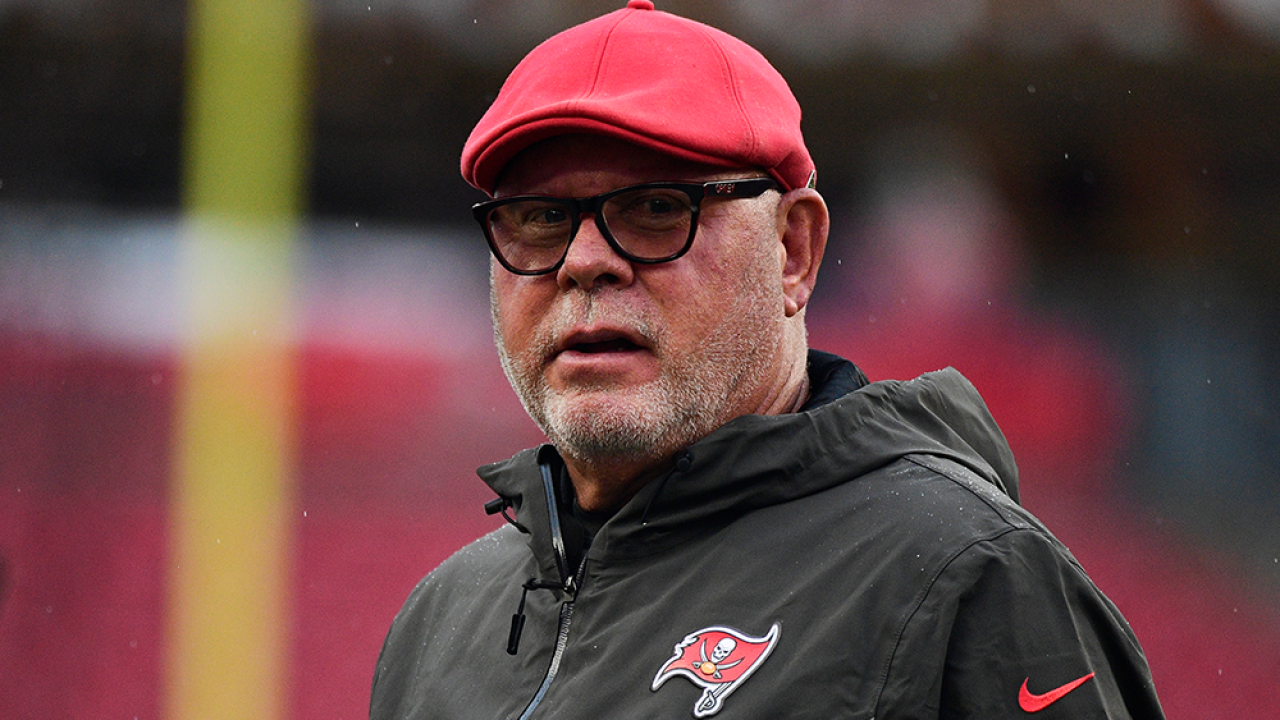
Image result for bruce arians

Bruce Arians has a reputation for being one of the most aggressive coaches in the NFL. The title of this section is a description of his philosophy, and one he uses when designing his passing attack. Arians quarterbacks typically attack down the field, produce a lot of yards and touchdowns, and also throw a lot of interceptions and take a lot of sacks. The Buccaneers managed to put together an elite offensive line to mitigate the sack issue, but Brady still threw the most interceptions he has since 2011, which no one really cared about since he also produced his most passing yards since 2010 and most touchdowns since 2007.

And yet, despite this aggressive philosophy, Arians has a tendency to get strangely passive at times during games. His decision to go for it on fourth and four late in the first half against the Packers was a correct one and a major turning point in the game, but it was also out of character and required him to burn a timeout to make the correct call.

The Buccaneers can also get weirdly bland sometimes with their play calls. They have a deep and versatile group of wide receivers, an elite pass blocking line, and one of the greatest quarterbacks ever to play the position, and still they insist on running the ball and putting themselves regularly behind on the down and distance. On first downs they run far more often than they should, and they almost always throw away a play on second and long if their first down play goes awry.

Not only does Tampa Bay run the ball a lot, they aren’t particularly good at it. Fournette has been playing out of his mind in the postseason, but it has mostly been on his shoulders, not due to excellent blocking from the line. As good as they are protecting the passer, they regularly struggle to execute their schemes and open holes to the second level.

These passive strategies can work when a team has more talent than their opponents. It’s fine to throw away plays on offense or send the ball back to the other team when you aren’t particularly worried about them marching down the field. That is certainly not the case with Kansas City. Against this offense, you have to take advantage of every single opportunity to score points. Leaving anything on the field is just asking for Mahomes and company to explode to a two or three score advantage.

The Chiefs are currently three-point favorites, and that spread seems far too narrow to me. The Buccaneers need to enter this game thinking of themselves as major underdogs. That means taking risks with high upside. That means trying to score a touchdown every time they have the ball, regardless of the score or situation. That means going putting the game in a situation where a single play or two can swing things wildly in one direction or the other, and hoping luck is on their side.

Prediction
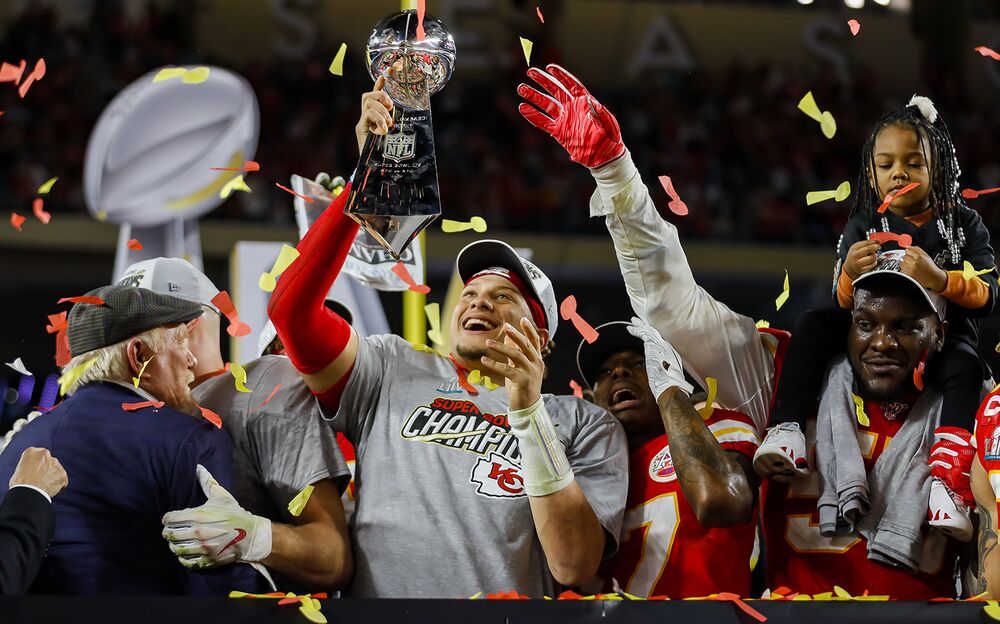
Image result for pat mahomes super bowl

As I mentioned above, I think Kansas City is the clear favorite in this game. The main reasons for this are, ultimately, their edge at quarterback and head coach. I will agree that overall the Buccaneers have a deeper roster. The Chiefs have the best two offensive weapons in Hill and Kelce, but Tampa Bay probably has the next four (Evans, Godwin, Brown, and Gronkowski), while you can say mostly the same at the defensive line, where Kansas City has the dominant Jones and not much else while the Buccaneers boast four above average starters.

This certainly wouldn’t be the first time that Tom Brady won a Super Bowl despite facing a better quarterback—by my count he is 2-3 in Super Bowls where he came in with the clear edge at the position, and 4-0 in all others. But he has always had the coaching edge before, and while Arians is an above average coach, I think Reid is in a tier above him.

I expect this game to get out to a fast start. Both teams will score with their opening possessions, and likely with the possessions after that as well. There won’t be many big plays early on, as the two defenses play a bit loose while feeling out how the offense is going to attack them. They might tighten up in the red zone to allow field goals rather than touchdowns, and this could be an opportunity for Tampa Bay to open up a small lead.

But as we’ve seen before, a lead doesn’t mean much against Kansas City in the playoffs. Their offense is just an unceasing onslaught, and there is no room for error. Tampa Bay will stumble on a couple of drives in the second quarter, and the Chiefs will open up a large halftime lead.

Where it goes from there will be mostly luck. Tampa Bay will come out in the second half trying to play aggressive on defense to get things going again. Bowles will abandon the safe two-deep zone to unleash the blitzes he is always aching to send, and it might even work out to provide a turnover or two to get them back in the game. Or it could provide opportunities for the Chiefs to hit them down the field and turn the game into a true blowout.

Either way, I think the Chiefs still come out on top in the end. It may get messy and interesting in the second half as the Buccaneers take some chances, but I just don’t reasonably see a way for them to keep Kansas City’s offense in check. They are going to need to score pretty much every time they have the ball just to keep up. And I don’t trust this offense to be able to sustain that level of aggression and firepower.

Final Prediction: Kansas City Chiefs 41 – Tampa Bay Buccaneers 24

Tuesday, January 26, 2021

The Little Things

 Packers coach Matt LaFleur explains thought process on kicking late field  goal

Entering the weekend, the Championship Round looked to be a real heavyweight fight. With Patrick Mahomes, Josh Allen, Tom Brady, and Aaron Rodgers, you had arguably the four best quarterbacks in the league this year (I’d probably put Ryan Tannehill and Deshaun Watson ahead of Brady, but these are small quibbles). 

It isn't surprising that this is the case, since an elite quarterback is a big help getting to this stage. But things rarely work out this neatly. Only three years ago we were treated to a final four that included Case Keenum, Nick Foles, and Blake Bortles, a far sight from the elite collection of quarterbacking talent on display this weekend.

Of course, when both teams have an elite quarterback, it’s almost the same as if neither team has an elite quarterback. Having someone like Rodgers or Mahomes is enough to put a team into contention, but where a team goes from there often depends on everything else around the quarterback. At this stage, pieces like supporting cast, coaching, and simple luck are the little things that make all the difference.

(To those of you accusing me of using the theme and title of this article as a soulless promotion for the new film “The Little Things” starring Denzel Washington, Jared Leto, and Rami Malek being released this Friday in theaters and on HBO Max, I have only this to say: No Comment.)

The Pieces of a Defeat

In the much-anticipated clash of two of the greatest quarterbacks to ever play the game, Tom Brady and Aaron Rodgers fought to pretty much a standstill. Brady of course had three ugly interceptions in the second half that allowed the Packers to get back into the game, but he also made several plays down the field in the first half that built this lead to begin with (sort of the opposite of his Super Bowl performance against the Falcons in 2016). Meanwhile, Rodgers spent most of the day frustrated trying to pick things apart underneath while under pressure of the sort he hasn’t faced all year. He only made the one egregious error, but he didn’t really produce offense on his own the way we’re used to seeing.

Both quarterbacks did enough to win this game, and enough to lose it. The difference came in those other pieces I mentioned above. If you had asked entering this matchup, I would have given a slight edge to Tampa Bay’s supporting cast, especially with the Packers missing David Bakhtiari on the offensive line. And, unsurprisingly, this difference showed up when Green Bay’s normal advantage at quarterback failed to materialize.

The most glaring disparity was along the front lines. Entering the game it wasn’t clear who would have the definitive edge in the pass-rushing game. Tampa Bay was a top five unit by ESPN’s pass rush win rate, but they would be facing the best pass protecting unit in the league. On the other side, Green Bay’s pass rush was mostly average this year, going against a pass protection unit that finished in the middle of the pack as well.

Of course, there were clear signs that these season-long measures wouldn’t be indicative of what we would see in this game. Green Bay was playing without the best pass-blocking left tackle in the league, while Tampa Bay’s offensive line was mostly healthy after a season where they were up and down due to injuries. And on the defensive side, the Buccaneers got back Vita Vea who—while not exactly an elite penetrator as a defensive tackle—is a dominant anchor in the middle that opened up their edge rushers to attack.

Tampa Bay won this battle on both sides of the ball. Brady had all day to throw, taking only a single sack and having one interception forced by pressure. Rodgers on the other hand spent much of the day running for his life, taking five sacks that caused drives to repeatedly stall before they could get anything going.

The other big factors in this game were coaching and officiating, two topics that have been discussed to death already and I don’t have much to add to. Matt LaFleur’s decision to kick the field goal on fourth down with just over two minutes left in the game was bizarre at the time, but in hindsight I don’t think it played a huge factor in the outcome.

Even if they had gone for it, the Packers would have needed so many things to pan out to win the game. They would have needed to convert the fourth down from the eight yardline to start with. They then would have needed to pick up the two-point conversion to tie the game. After that they would have had two minutes to try to stop Tampa Bay’s offense from moving down into field goal range. And then, if all that worked out, it still would have come down to the coin toss of overtime.

People have made a huge deal about going from a touchdown deficit to a touchdown deficit. But the difference between an eight-point game and a five-point game is actually meaningful. You still need a touchdown either way, but in the first scenario a touchdown merely gives you an opportunity to tie the game on what is basically a 50/50 shot, while in the second a touchdown would give you the win.

That’s not to say LaFleur made the right call. It’s just that this error didn’t actually play a huge impact in the outcome of the game. By the best win probabilities I’ve seen, the Packers had around a 13% chance to win the game if they went for it, and a 9% chance kicking the field goal. An error, but not as glaring as it looked at first blush.

The bigger decision in the game came at the end of the first half. After being stopped on their drive to try to get into field goal range, the Buccaneers looked at first like they were going to punt on fourth and four with 13 seconds left. Bruce Arians brought the offense to the sideline, only to reconsider and call a timeout to send them back out there. They picked up the first down, and the next play Brady hit Scotty Miller for a stunning touchdown to expand their lead to double-digits before halftime.

This was actually one of the easier calls for a coach to make, and it’s a little relieving that Arians got it right. The proximity to the end of the half really simplifies things. After the fourth down play, there’s really only time for one more play to try to get into field goal range and another to take a desperate shot at the endzone. If the Buccaneers converted, they probably would have needed only another five yards to get into field goal range. If they had failed, the Packers probably still would have been twenty yards away. The edge was clear, and even though they wasted a timeout to make that decision, it’s good to see they reached the right call in the end.

The other thing we have to discuss is the referees. I generally don’t buy any conspiracy theories about officiating deliberately favoring one side or the other, but in close games luck with penalties can make all the difference. And two big moments stand out in this game as an example of that. Tampa Bay’s drive at the end of the first half was set up by an interception on a play that looked to have defensive holding that wasn’t called, while their final drive of the game was extended by a holding that was called.

I understand the frustration of Packers fans with these two calls, but I don’t think either was an egregious error by the officials. The first play was holding, but it was the sort of holding up around the shoulders that officials often miss, and it really didn’t affect the play in any way (if anything the holding gave the receiver a better chance on a throw that was far behind him).

The holding later in the game was the sort that, even after a game spent swallowing their whistle, the referee really couldn’t stop himself from calling. There was much more separation between the receiver and the defender, and the stretching of the jersey was simply larger and more obvious. To not call that would have been malpractice far worse than the missed call earlier in the game. Maybe that’s an example of luck, but I don’t feel like the officiating in this game was particularly lopsided in one way or the other.

The Other Way Things Work

There are probably a few “little things” we could talk about in the AFC Championship Game as well. Josh Allen took several brutal sacks deep in the backfield to kill drive. After years of being one of the most aggressive coaches in the league on fourth down, Sean McDermott became bafflingly conservative in the biggest game of his career, three times kicking field goals in fourth and short situations on drives where they desperately needed touchdowns.

The Bills left opportunities on the board. They also got lucky in a couple of cases. The Chiefs handed them an early touchdown off a muffed punt. Kansas City defenders dropped multiple interception opportunities. If things had all gone against Buffalo, the outcome could have been far uglier than it actually was. But when it comes to all the things I talked about in the Packers-Buccaneers game above, this was a fairly even match.

The one place it wasn’t even was at quarterback. Allen didn’t have his best game, but the dropped interceptions kept it from becoming a true mess, and he created opportunities down the field with scramble drill passes and by taking off on his own. He didn’t play a good game, but he didn’t play a bad game either. He performed about in line with the quarterbacks from the earlier game. Rodgers, Brady, and Allen didn’t live up to their normal standards, but it shouldn’t be a surprise when a quarterback's performance takes a dip on a big stage against a tough opponent.

The exception, of course, is Patrick Mahomes.

There was some concern with how Kansas City performed down the stretch. They didn’t win a single game by more than six points over the second half of the season, and of the final four teams in the playoffs they actually had the lowest scoring offense. For much of the season Mahomes looked like an MVP favorite, but he was fairly pedestrian (by his standards) down the stretch.

It’s pretty obvious in retrospect that they were sleepwalking through the second half of the year, and that they still had the potential to turn things on when they needed to. Because Mahomes was Mahomes once again this past Sunday. Carving the opposing defense up within structure, and making plays that are difficult to believe when things break down.

The crazy part is, I think there’s still another gear for them to hit. The Chiefs haven’t really threatened teams deep yet this postseason, with Mahomes only attempting two passes more than twenty yards down the field. One of these was a drop by Tyreek Hill on Sunday that would have turned into a forty yard gain on one of the few Chiefs drives that didn’t go anywhere.

At this point in the postseason, the little things often make the difference in a matchup of two top-notch quarterbacks. But as Mahomes demonstrated on Sunday, he is capable of elevating his play to a level that no other player in the league can reach. The Buccaneers may be able to carve away similar small victories that they used to oust the Packers—victories that eluded the Bills—but in the end if Mahomes plays as well as he is capable of, there isn’t anything that any opponent can do.

Friday, January 15, 2021

Changing of the Guard

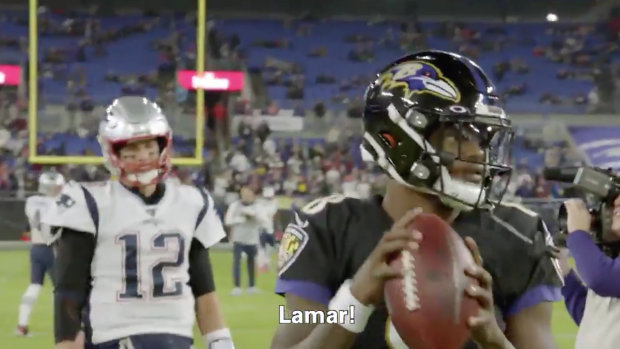
Lamar Jackson and Tom Brady shared a really awesome moment before the game  Sunday night - Article - Bardown

The Young and the Old

If there was a consistent storyline to be found across the first weekend of the NFL playoffs, it was a battle of the generations among the quarterbacks. Each of the six games featured a starting quarterback in his 30s facing off against one in his 20s, and that even understates the disparities. The closest in age were 32 year old Russell Wilson and 26 year old Jared Goff. 33 year old Ryan Tannehill and 24 year old Lamar Jackson were the only other pair of quarterbacks born within a decade of each other.

The outcomes of these games split almost perfectly down the conference lines. On the NFC side, Tom Brady and Drew Brees both advanced to the second round despite being over 40. On the AFC side, 25 year old Baker Mayfield is the oldest quarterback left alive. The average age of the four remaining quarterbacks in the AFC is 24.5 years. The average age in the NFC is 36.8, and that is dragged down by Goff, the closest to an outlier remaining.

The disparity between the two conferences is jarring. On one side we have Brady, Brees, and Aaron Rodgers, three of the greatest to ever play the position clawing for possibly a last chance at glory. On the other side we have the breakout players from the past three seasons—Patrick Mahomes in 2018, Jackson in 2019, Josh Allen in 2020—to go along with third-year player Baker Mayfield. Mahomes is already well on his way to joining the list of all-time greats, but for the other three this postseason could provide the foundation for the legacies they are trying to create.

The evolution of the quarterback position across the league has taken an interesting path over the past decade. As players like the Brady, Brees, and Rodgers-along with Peyton Manning, Ben Roethlisberger, and Philip Rivers-sustained their careers well into their 30s, there was some concern about the lack of young quarterbacks excelling in the league. Here is the list of notable quarterbacks to enter the league from 2006-2015: 

2006: Vince Young, Matt Leinart, Jay Cutler

2007: JaMarcus Russell, Brady Quinn
2008: Matt Ryan, Joe Flacco
2009: Matthew Stafford, Mark Sanchez, Josh Freeman
2010: Sam Bradford, Tim Tebow
2011: Cam Newton, Andy Dalton, Colin Kaepernick, Tyrod Taylor
2012: Andrew Luck, Robert Griffin III, Ryan Tannehill, Nick Foles, Russell Wilson, Kirk Cousins
2013:
2014: Blake Bortles, Johnny Manziel, Teddy Bridgewater, Derek Carr, Jimmy Garoppolo
2015: Jameis Winston, Marcus Mariota

Ten years, producing a total of two MVP awards and one or two Hall of Famers (depending on your opinion of Ryan). There is a decade-long gap at the quarterback position, the same gap that showed up between the quarterbacks that faced off this past weekend. Fortunately, the past few years have seen an explosion of young talent at the quarterback position, and the weakness of the generation before has given them plenty of space to thrive

The differences between the generations is just as evident when you watch them play as when you look at the dates of their births. Brady and Brees are two of the purest pocket passers to ever play in the league, and while Rodgers was a threat with his legs early in his career, he’s scaled back his heroics somewhat this year. Even Goff, by far the youngest, is a bit of a throwback, one of the last pure pocket-passers to enter the league.

The AFC side sees a wide variety of styles, but each of the four remaining quarterbacks could be described very simply as a “playmaker”. Jackson is the most dangerous quarterback rushing threat the league has ever seen. Mahomes and Allen are fantastic athletes with explosive arms that allow them to attack any part of the field when the play breaks down. And while Mayfield may not athletically match up with the others, he plays with a gunslinger style that this year has resulted in more positives than negatives.

This is the consistent trend among the newest generation of quarterbacks. They are all fantastic athletes, and they are all capable of improvising outside the structure of the play to create opportunities down the field. In the modern NFL, where offensive line talent is at an all-time low and pass rush talent is at an all-time high, and where possessions can’t simply be thrown away when something goes wrong, the most valuable trait a quarterback can possess is the ability to create offense on his own.

What is fascinating about these eight remaining teams is that outside of the quarterback position, the divide between the AFC and the NFC aren’t that stark. You would expect teams to be built around the strengths of their quarterbacks, and to thus have very different offensive styles for the veteran pocket passers than the young playmakers.

But of the teams remaining, this is not the case. Rodgers and Mayfield both lead offenses that are heavy on play action and getting the quarterback on the move to open receivers down the field. Brady and Allen both run heavily vertical assaults to electric field-stretching receivers. Jackson leans on a diverse running game and the opportunities this creates over the middle of the field. Brees runs an equally diverse passing game that distributes the ball on short routes to similarly grind his way down the field. And Mahomes lives in a system that combines a little bit of everything to make one of the most dangerous offenses the NFL has ever seen.

That is probably the most interesting development from the emergence of these young quarterbacks over the past few years, as well as the continued success of the veterans. There hasn’t been a dramatic shift in the styles of offense played as a result. And the shift that has happened has impacted both generations in similar ways.

Rodgers struggled for the past five years before being revitalized in this new scheme, just as Mayfield was helped this year by a similar scheme after a rough 2019. Many thought that Brady was a poor fit for Bruce Arians’s vertical attack, yet he’s been even more successful in Tampa Bay than he was his last few years in New England.

One clear trend across the eight remaining teams is that they all have excellent offensive lines. Stylistically there are some differences, but if you were to list the best eight offensive lines in the league, it wouldn’t look all that different from the eight remaining (Indianapolis, New England, and a healthy Philadelphia could slide in over Los Angeles or Buffalo, but it would be worth a conversation). Quarterbacks may be changing, but the way you construct your roster and scheme around them isn’t all that different now than it was in the past.

The Other 52 Players

Roster building in the NFL is a tricky game, and having an elite quarterback is basically a cheat code. The value of that position is so out of whack from the rest of the players on the field that wrapping them beneath the same salary cap almost feels wrong. Each year we seem to see a new quarterback set the mark for the most expensive contract—Carr, Garoppolo, Cousins, Stafford, and Ryan have all held that title at one point or another—and while it seems that Mahomes has set a new standard that will last a couple years, the trend will likely remain the same. A quarterback’s salary is set by whoever signed the biggest deal before, because the leverage held by even a competent player at that position is enough to run through any objections a front office might have.

In the end, all quarterbacks fall into three basic camps when it comes to money: rookie deal, placeholder, or franchise starter. This last category is huge in number, with players ranging from Goff to Rodgers to Garoppolo to Watson. And yet the money they’re making is all in pretty much the same ballpark. So having someone that is truly elite provides tremendous value, higher production at virtually no extra cost.

The goal of every GM should be to find this guy. If you get him, then everything becomes easy after that. The Minnesota Vikings are a perfect example of what happens when you have a quarterback who is just pretty good. You can build an excellent roster around him, you can even compete for a title for a couple of years, but the window is always short before the cap costs of sustaining a roster that talented catch up with you. And when that happens, the fall is steep and sudden, and you usually find yourself starting from square one.

The Chiefs are an example of the opposite side of the coin. They have Mahomes locked up through 2030, and their window stretches basically that entire decade. His extension hasn’t kicked in yet, which means they still have the money to spend on a loaded roster. They will hit some rough patches in a couple years—players like Travis Kelce will age out of their primes, others like Tyreek Hill and Chris Jones will start to weigh on the cap—but Mahomes has the talent to carry them through these years at a competitive level. And by the end of his contract, $50 million a year might not even be in the top ten of quarterback salaries.

For teams without a transcendent talent like Mahomes, the challenge becomes one of timing. It’s nice to believe you can just roll out a competitive team year-in and year-out, but ultimately that’s not realistic. NFL players have such short careers, and sometimes it’s less important which players you build your roster around than when you build it around them. A smart GM will aim for a window, a two or three year stretch when his players will all be in their primes and reasonably affordable. Of course, recognizing and taking advantage of these windows is not nearly as easy as it sounds.

The Future of the Quarterback Position

A couple years ago it was common to hear people fretting about what the league would do when players like Brady and Brees retired, with no exciting young quarterbacks looking ready to fill their shoes. That isn’t a problem anymore. Mahomes and Jackson have already won MVPs. Allen and Mayfield took massive leaps in their third seasons. Deshaun Watson is a star, if the Texans ever stop sabotaging his career. Both Joe Burrow and Justin Herbert are coming off stellar rookie seasons, and while Tua Tagovailoa wasn’t as impressive, he still has tons of potential. And next year things will get even more exciting, with the long-awaited debut of Trevor Lawrence, almost certainly in Jacksonville.

Did you notice anything about the quarterbacks I just named? They’re all on the AFC side of the league. The four left alive in the playoffs are not the only young stars in the AFC. Of the sixteen teams in the conference, at least half right now have reason to be confident they are set at the most important position for the next decade.

Once again, the disparity between the two conferences is stark. About the only name on the NFC side that I could have added to the list above is Kyler Murray in Arizona. Dak Prescott is the next most exciting young star, but he’s already 27 years old, coming off a major leg injury, and playing for a team that has never seemed that committed to keeping him around.

Apart from that, what young quarterback is there to get excited about in the NFC? Daniel Jones has played two years, and he’s been bad in both of them. Goff has proven to be a solid starter and nothing more through five seasons in the league. Jalen Hurts was only promising when compared to the quarterback he replaced. Taysom Hill is 30, and he doesn’t know how to throw a football. I suppose Jordan Love may still theoretically exist, but he wasn’t even good enough this year to claim the second spot on the depth chart.

Even with a promising quarterback draft class ahead, the NFC is not in great shape. The first three picks all belong to AFC teams. I expect both the Jaguars and the Jets to select a quarterback, sending the top two options over to the AFC. Things could get interesting if Atlanta decides to select a replacement for Matt Ryan, or if someone like Carolina, Washington, Chicago, or San Francisco leaps up to try to secure one of the next names on the board. But we are still talking about the third or fourth options available this year.

For the most part the NFC is locked into aging quarterbacks with large cap hits. Wentz, Goff, and Cousins will likely still be starting for their teams when 2022 rolls around. Stafford, Ryan, and Garoppolo could be shown the door sooner than that, but there is no clear replacement plan in place. The NFC is on a rapid track to becoming a wasteland for quarterback talent.

Obviously this is great news for the few teams that are set at the position. I expect this to be the final year for Brees, but both Brady and Rodgers will be back in 2021 on loaded offenses, with little in the way of challengers. Wilson struggled over the second half of 2020, but I expect him to bounce back next year. After that, things are a bit wide open in the NFC.

This openness has to be a bit tantalizing for the other teams in the conference. Teams like Chicago, Minnesota, and Atlanta sit at a tipping point now, where they have to decide whether to tear things down and rebuild or to try to stretch their current cores out for another year or two. They have to decide window they are trying to target. If they tear things down now, they have a chance to build a contending roster for 2023-2025, around the time the last of the old guard will drift away into retirement. If they linger too long, they could be looking more at 2025-2027, a future that is far less certain.

The AFC has the opposite problem. Five years from now, it’s likely that a few truly elite quarterbacks will be forced to watch the postseason from home each year. And even the ones who make the postseason will likely have to run a gauntlet of players like Mahomes, Jackson, Allen, and Mayfield, stars with playoff experience under their belts.

For an AFC team trying to plot their future, now is probably as good a time to strike as any. Both Pittsburgh and Indianapolis are facing offseason questions of whether move on from their veteran quarterbacks after disappointing first round exits. Normally I'd support them on this, but what exactly is the long-term plan here? By the time they're able to rebuild their rosters to competitive levels again, the current crop of fresh-faced quarterbacks will be smack-dab in the primes of their careers. I don’t think the Colts or the Steelers have what they need to compete for a Super Bowl next year, but in a conference loaded with future stars at the quarterback position, 2021 may be their last realistic chance for the next decade.